From Field to Whisk

One fiber at a time, the art of broom corn whisk crafting unfolds — rooted in soil, shaped by hand, and carried forward with quiet purpose.

  • Origins

    First Harvest

    The journey begins where the stalk meets the sun. Selecting the right broom corn means reading the field, feeling the weight of the brush, and knowing which fibers will bend without breaking.

  • Mastery

    The First Bind

    A single whisk broom takes shape through repetition. The artisan wraps, tucks, and pulls each cord with muscle memory earned over seasons of practice and patience.
  • Refinement

    Light Touch

    Decorative sweepers demand a lighter hand. The same fiber that scrubs a floor becomes, in careful fingers, a piece of functional art for the wall or shelf.

  • Meaning

    Purpose Kept

    Every whisk carries intent. Some are built for the workshop bench. Others are made to hang, to gift, to mark a season. The craft answers the need.
  • Community

    Shared Practice

    Gatherings around the table turn solitary work into collective rhythm. New hands learn old motions, and the technique travels from one maker to the next.

  • Evolution

    Quiet Innovation

    Tradition does not resist change. It absorbs it. A new dye, a different stitch, a fresh shape — each tested against the standard of durability and beauty.

  • Legacy

    Lasting Form

    The finished piece outlives the season of its making. A well-crafted whisk holds its shape through years of use, its fibers settling into memory.
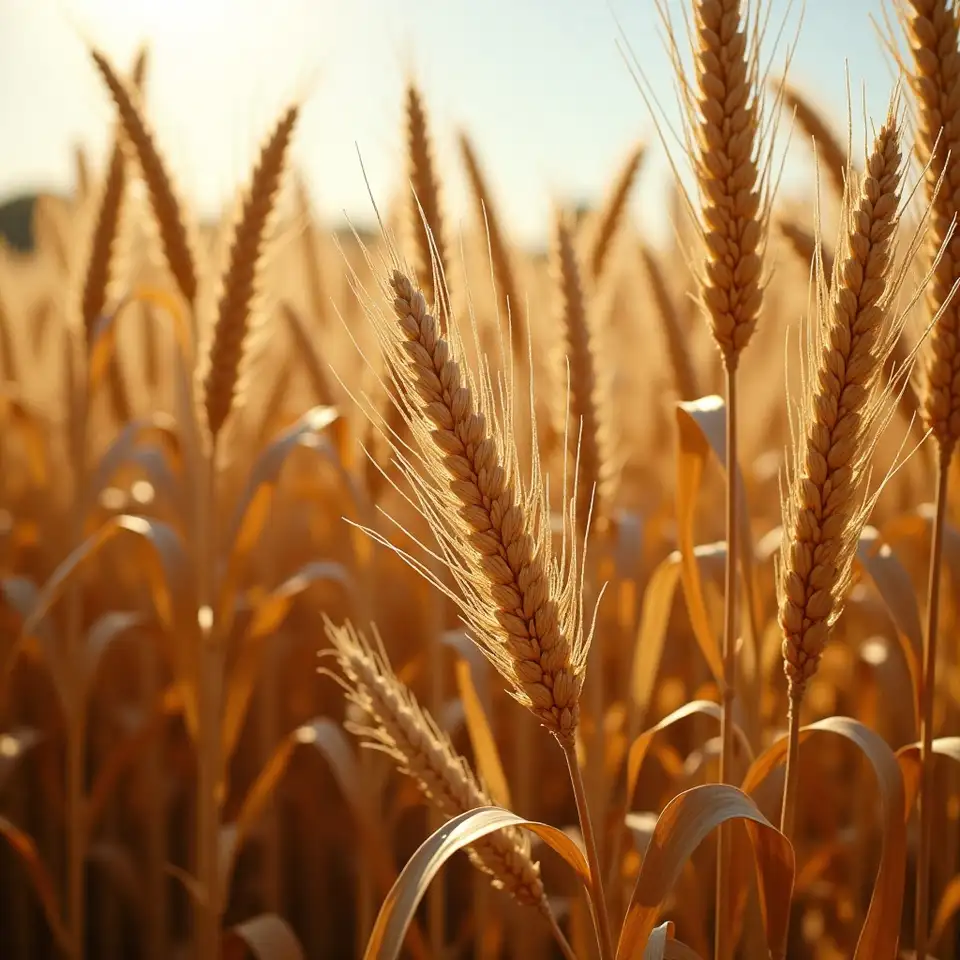
golden broom corn field at harvest

The philosophy is simple: make it well, make it last, make it matter

Sustainable Sourcing

The fibers come from growers who understand the crop. Broom corn is not rushed. It is planted, tended, harvested, and dried on a timeline set by weather and patience, not by demand.

Heritage Methods

The tools have changed little. A knife, a needle, cord, and hand pressure. No machine replicates the tension of a hand-tied knot or the judgment of a wrapped neck.

Functional Art

A whisk broom must sweep. A decorative piece must speak. The best work does both — serving a purpose while holding a presence in the room where it lives.

Community Craft

Skill grows when it is shared. Workshops and gatherings keep the practice from narrowing into secrecy. The craft belongs to whoever picks it up with respect.

Honest Materials

Synthetic substitutes are refused. Natural fiber, natural dye, natural wear. The material tells the truth about where it came from and how it was handled.

Generational Thinking

A whisk made today should outlast the hands that made it. Durability is not an afterthought. It is the first measure of whether the work was worth doing.

The Path So Far

7 milestones — Sort by
Year Event Type Details
2014 First Field Harvest A small plot of broom corn was planted on family land in regional Victoria. The yield was modest, the fiber uneven, but enough was saved to attempt a single whisk broom.
2016 First Completed Whisk After two seasons of failed bindings and unraveling necks, a whisk held together through a full month of daily use. That piece still hangs in the workshop as the original benchmark.
2018 Local Market Debut A table at a regional makers fair introduced the work to the public. Feedback was direct and valuable. Some wanted smaller pieces. Others asked for wall-mounted decorative forms.
2020 Workshop Format Born A neighbor asked to learn. Then a friend. The first informal gathering around the kitchen table became a structured session, and the teaching practice began to take shape.
2022 Expanded Fiber Sourcing Relationships were built with two additional growers in South Australia. The expanded supply allowed for more consistent fiber quality and experimentation with different stalk varieties.
2024 Decorative Line Launched A dedicated series of ornamental sweepers was developed for interior spaces. Each piece retained the structural integrity of a working whisk while serving a purely visual purpose.
2026 Community Craft Network A loose network of regional makers now shares techniques, troubleshoots problems, and trades fiber. The craft has moved from solitary practice to shared culture.

What Guides the Work

Four principles shape every decision — from which fiber to bind to how the craft is taught and shared with others.

Quality First

A whisk that falls apart in six months is a waste of fiber and time. Every piece is built to withstand real use, real dust, and real time on the hook.

Sustainable Practice

The materials are renewable. The techniques are low-impact. The finished work replaces disposable alternatives that clog bins and fade from memory.

Heritage Preservation

Each bound whisk carries a method that predates industrial manufacturing. Keeping that method alive is as important as the object itself.

Open Teaching

The craft is not hoarded. Anyone who wants to learn is welcomed. The only requirement is patience and a willingness to ruin the first three attempts.

explore crafts

view collection
See What the Craft Has Become

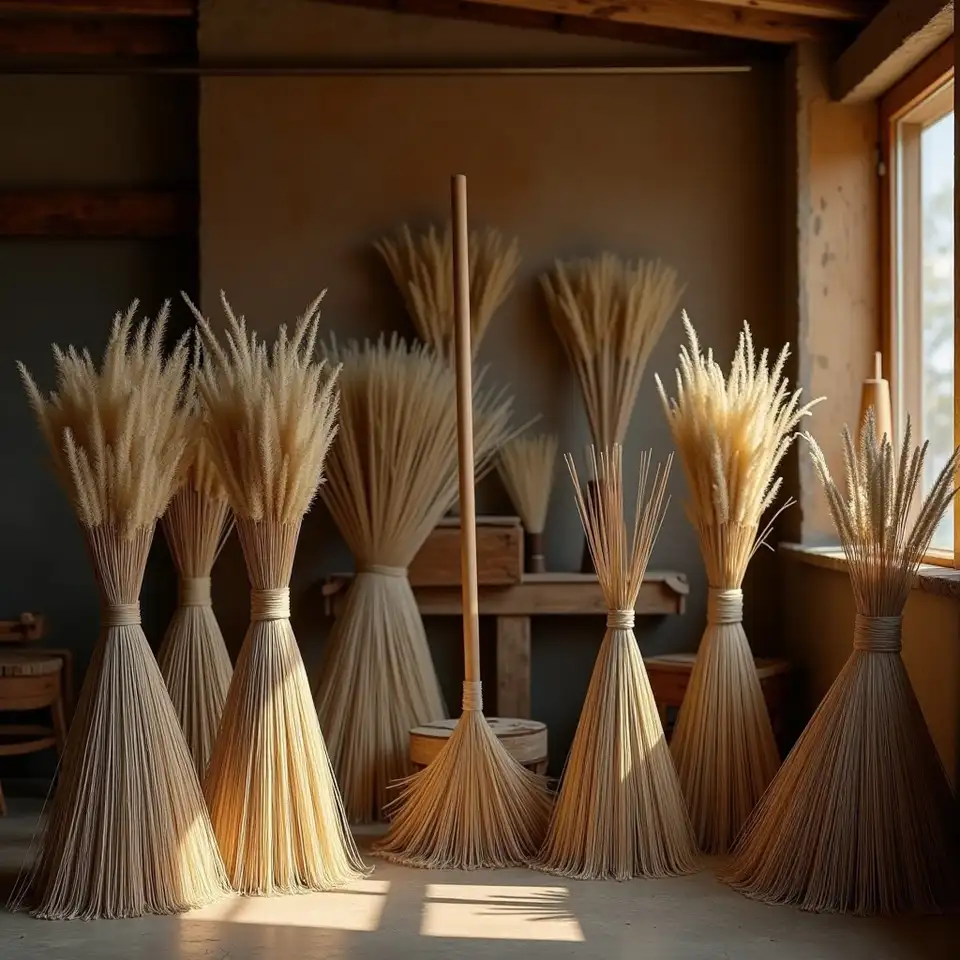
The workshop holds finished pieces, raw fiber, and the quiet evidence of practice. Explore the collection, or join a session and shape your first whisk from stalk to knot.

  • Hand-bound whisk brooms for daily use
  • Decorative sweepers for home and gift
  • Workshops for beginners and returning makers
Browse crafts
This website uses cookies to improve your browsing experience, analyze site traffic, and understand where visitors come from. By continuing to use this site, you consent to our use of cookies in accordance with our cookie policy.